Why Every Homeowner Should Understand Their Fireplace
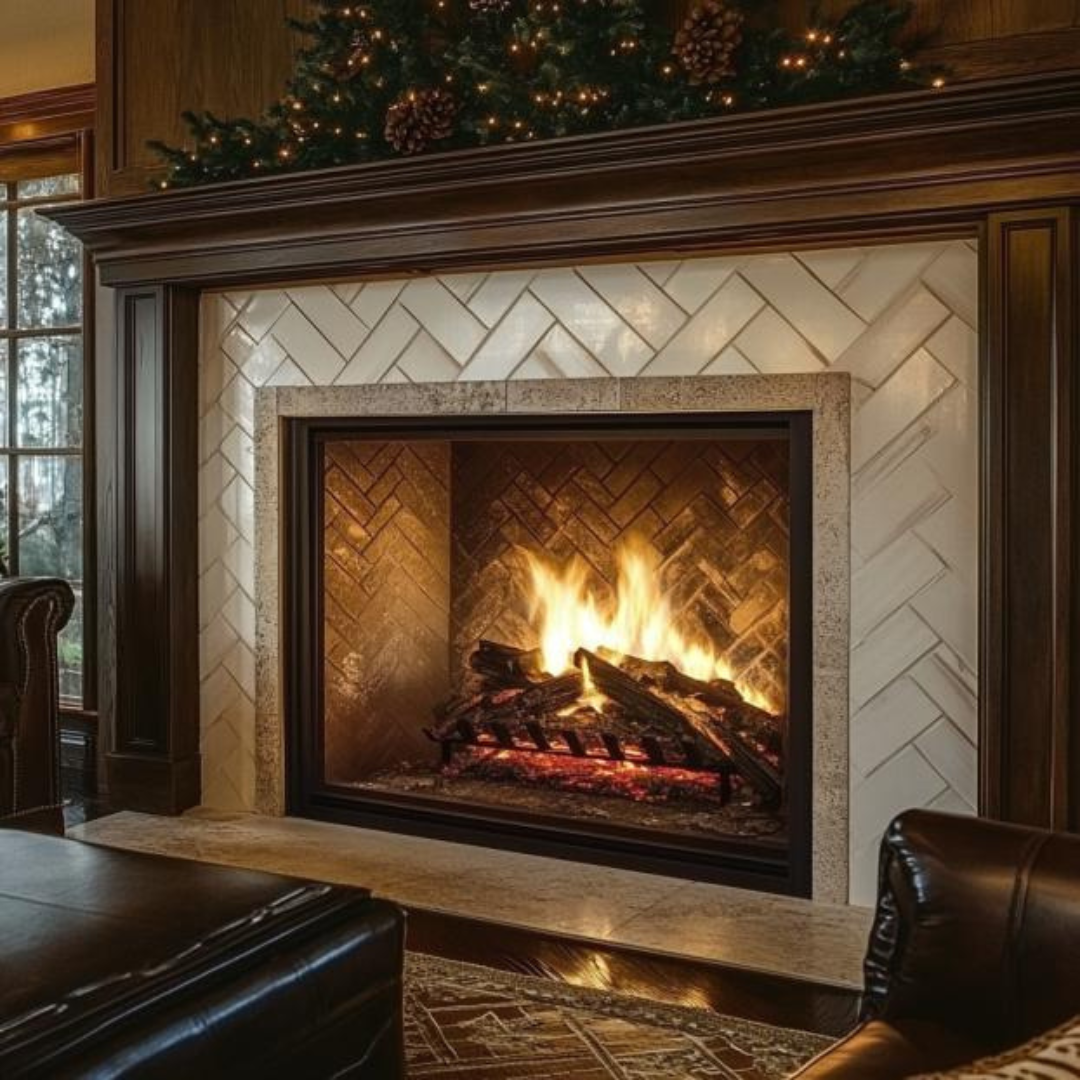
A fireplace adds warmth, comfort, and timeless charm to any home. But beyond its inviting glow, it’s a complex heating system that requires proper care and understanding. Whether you’re using a wood-burning fireplace, a gas log system, or a modern insert, knowing how it works — and how to maintain it — is essential to keeping your home safe, efficient, and free from costly issues.
At Chicagoland Fireplace & Chimney Restoration, we’ve seen firsthand how regular maintenance and proper use make all the difference. From smoke flow to chimney performance, understanding your fireplace helps you enjoy it safely for decades. This comprehensive guide covers what homeowners need to know — from structure and functionality to cleaning, inspection, and repair.
How a Fireplace Works: The Essentials of Heat and Airflow
Every fireplace, no matter the design, relies on a simple but critical principle: controlled airflow. As fuel (typically wood or gas) burns, it releases heat, smoke, and gases. These byproducts rise through the chimney, creating an upward draft that draws fresh air into the fireplace for continuous combustion.
A well-functioning fireplace maintains this balance naturally. However, if the chimney is blocked, the flue is damaged, or the damper isn’t working properly, airflow is disrupted — leading to poor heating efficiency, smoky rooms, or dangerous carbon monoxide buildup.
Fireplaces generally fall into three main categories:
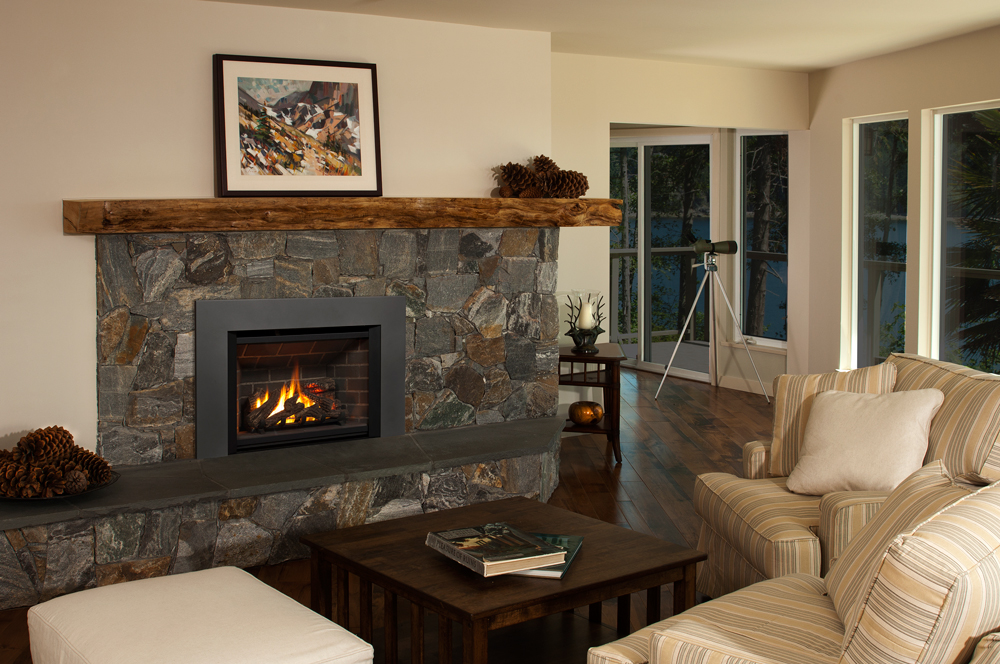
Wood-Burning Fireplaces: Traditional and authentic, these systems provide radiant heat and natural ambiance but require regular cleaning and maintenance to remove soot and creosote buildup.
Gas Fireplaces and Gas Logs: Convenient and efficient, gas systems produce real flames without the mess. However, they still require inspection to ensure burners, valves, and vents remain clear and safe.
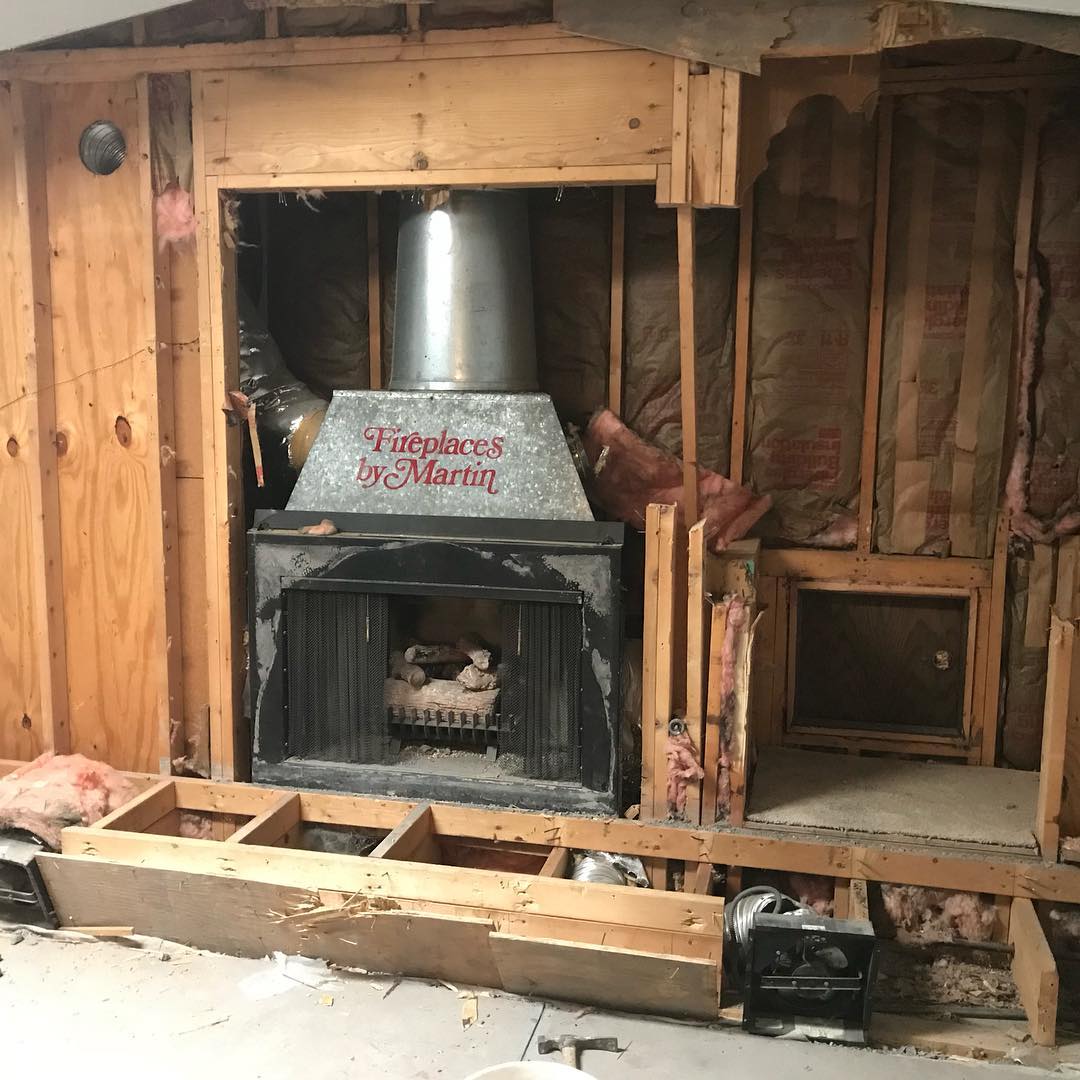
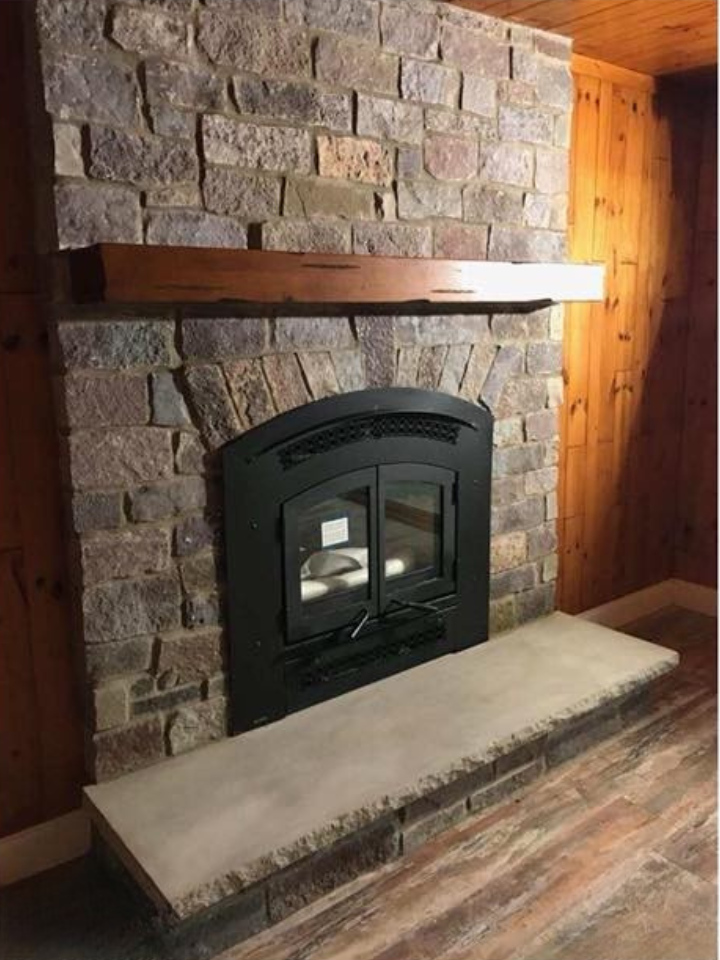
Fireplace Inserts and Stoves: Modern inserts and stoves are designed to improve energy efficiency. They fit directly into existing masonry openings and can reduce heat loss while maintaining visual appeal.
Regardless of type, the key to safe operation lies in proper installation, correct ventilation, and routine maintenance.
Anatomy of a Fireplace: Key Components You Should Know
A fireplace may look simple, but it’s an engineered structure built to contain heat and control smoke. Understanding each part can help you spot problems early:
Firebox: The chamber where fuel is burned. It’s lined with firebrick to handle high heat and prevent cracking.
Damper: The adjustable plate that controls airflow, allowing smoke to escape while regulating heat retention.
Chimney Flue: The vertical passage that channels smoke and gases out of your home. It must remain clear to maintain a strong draft.
Smoke Shelf and Smoke Chamber: These shape airflow from the firebox into the flue, preventing downdrafts and helping push smoke upward.
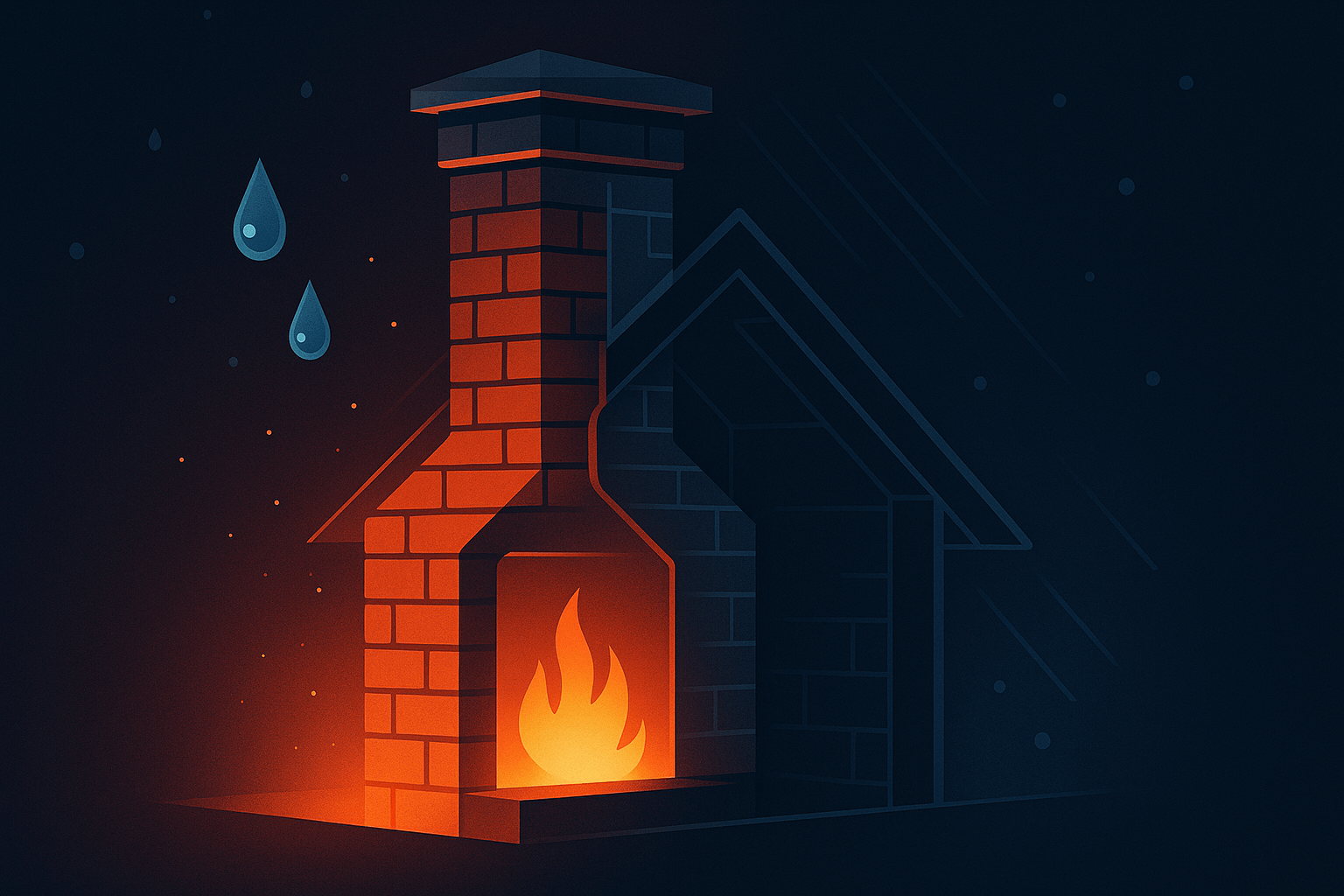
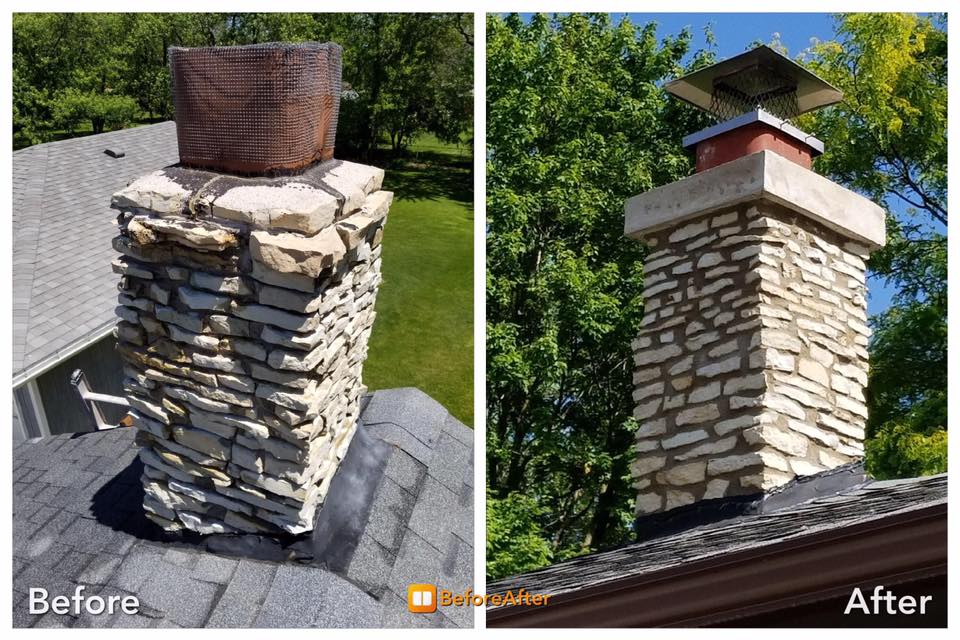
Chimney Cap and Crown: The topmost protection layer of your chimney. The cap prevents rain, debris, and animals from entering; the crown directs water away from the masonry.
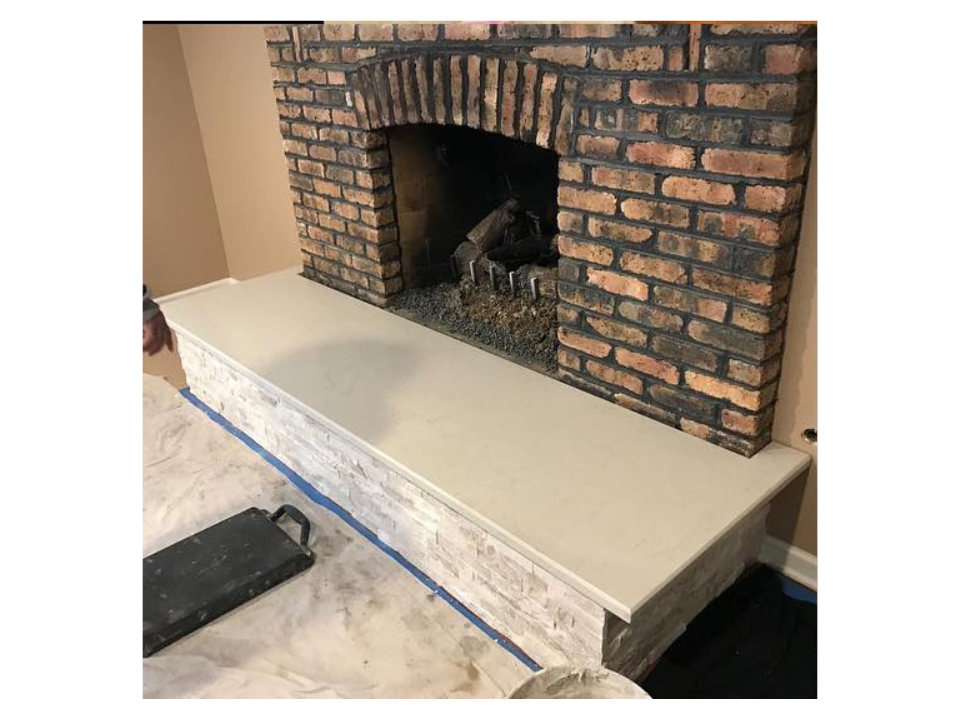
Hearth: The decorative and functional floor area extending from the firebox — designed to protect flooring and add heat resistance.
Every component plays a vital role, and when one fails, it can affect the performance and safety of the entire system.
Common Fireplace and Chimney Issues
Like any structural feature, fireplaces experience wear and tear over time. In the Chicago area, where seasonal changes bring freeze-thaw cycles, certain problems are especially common:
Creosote Buildup: This highly flammable residue forms when wood smoke cools and condenses inside the flue. It must be professionally cleaned to prevent chimney fires.
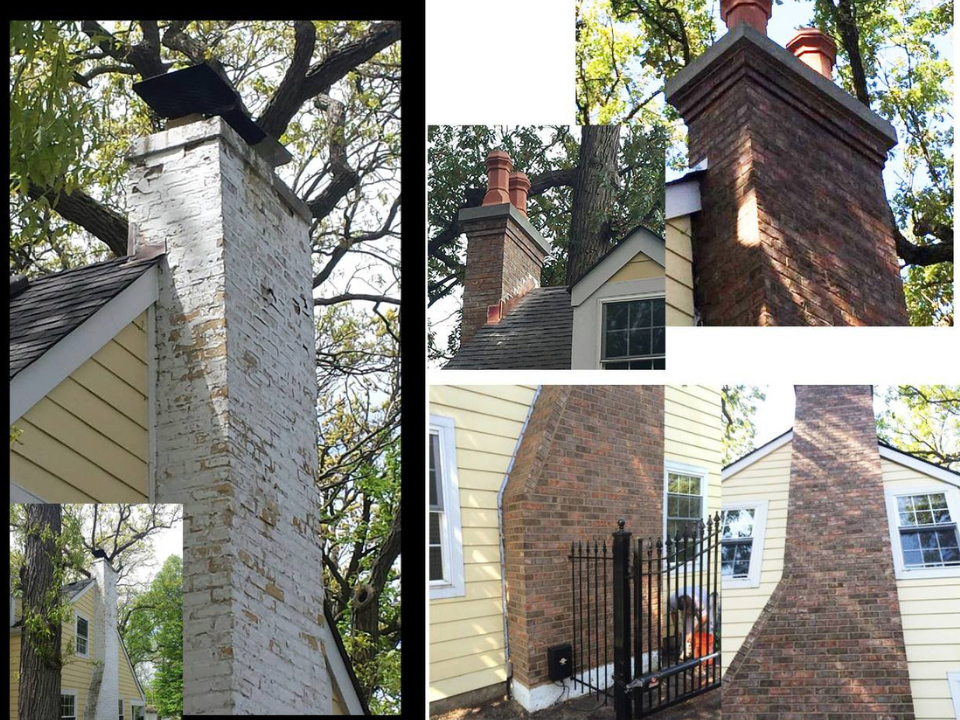
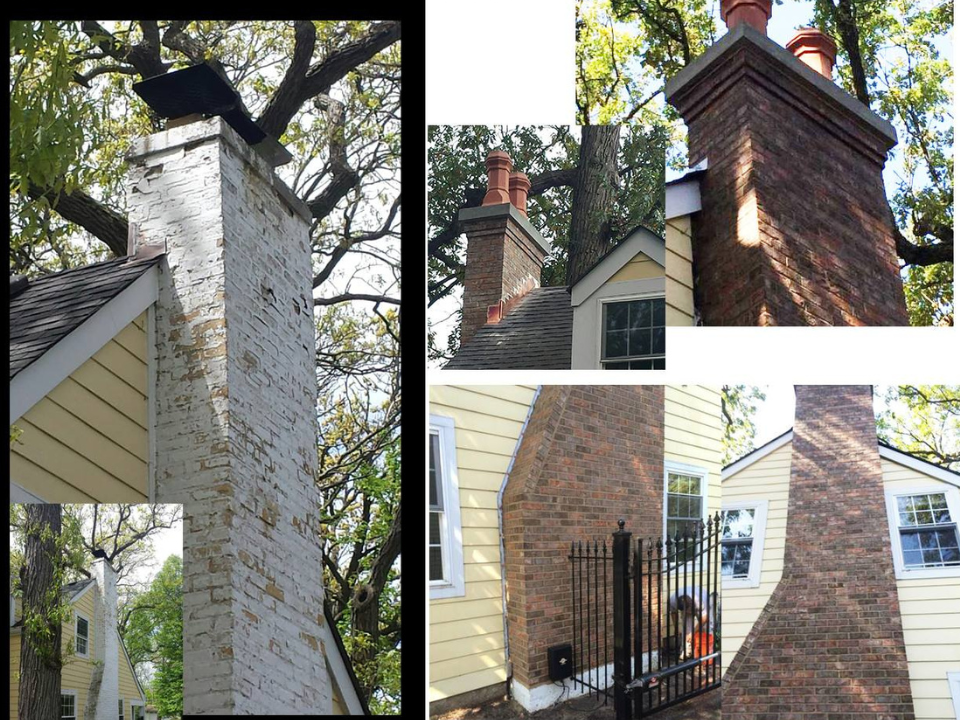
Efflorescence: White, powdery deposits on brick surfaces indicate trapped moisture inside the masonry — a warning sign that repairs or sealing are needed.
Masonry Cracks and Spalling: When moisture freezes inside bricks, it expands, causing flaking and cracking. These issues worsen each winter if left untreated.
Draft Problems: Poor airflow can cause smoke to spill back into your home, often due to blockages, negative air pressure, or structural misalignment.
Animal Nests or Debris: Birds, squirrels, and raccoons frequently build nests in unprotected chimneys, blocking airflow and creating fire hazards.
Regular inspections catch these issues early, saving homeowners thousands in potential repairs.
The Importance of Regular Fireplace & Chimney Cleanings
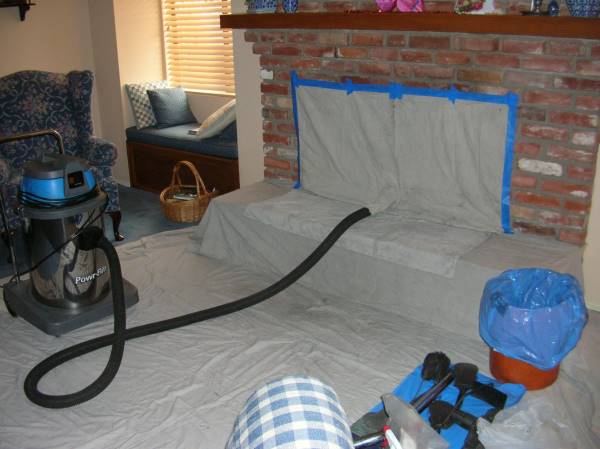
A fireplace that isn’t regularly serviced can become unsafe quickly. Annual inspections are essential to check for damage, buildup, and proper operation. Professional cleanings remove soot, creosote, and blockages while ensuring the flue, damper, and firebox remain in good condition.
At Chicagoland Fireplace & Chimney Restoration, our technicians follow industry-certified safety protocols to provide detailed inspections and cleanings. Services include:
Full chimney and fireplace cleaning to remove creosote and debris.
Camera-assisted flue inspections for hard-to-see damage.
Structural and masonry evaluations for cracks or deterioration.
Gas log system diagnostics and tune-ups.
By maintaining a consistent cleaning schedule, you reduce fire hazards, improve heating efficiency, and extend the lifespan of your system.
The Benefits of Fireplace Sealing and Waterproofing
Moisture is one of the biggest threats to any chimney or masonry system. Sealing your chimney prevents water from entering porous brick and mortar, reducing the risk of efflorescence, mold, and freeze-thaw damage. A waterproofing treatment adds a protective layer that still allows vapor to escape while keeping water out — essential for longevity in Chicagoland’s harsh winters.
Pairing sealing with regular inspections ensures your chimney crown, flashing, and masonry remain strong and watertight. It’s one of the simplest yet most impactful steps in long-term preservation.
Fireplace Safety: Protecting Your Home and Family
Even a properly maintained fireplace can pose risks if used incorrectly. Follow these best practices to keep your home safe:
Always open the damper before lighting a fire.
Burn only seasoned hardwood — never treated or painted wood.
Use a fireplace screen to prevent sparks and embers from escaping.
Keep flammable materials at least three feet away from the hearth.
Install carbon monoxide detectors and smoke alarms near fireplace areas.
Have your fireplace inspected annually, even if it’s used sparingly.
Taking preventive measures ensures every fire you enjoy stays controlled, clean-burning, and safe.
When to Call the Professionals
Many fireplace issues can’t be detected from the outside. That’s why professional evaluation is so important. Whether you’re seeing white stains, experiencing poor drafts, or noticing cracks in your masonry, professional technicians can identify the root cause and recommend long-term solutions — not just temporary fixes.
Our team at Chicagoland Fireplace & Chimney Restoration provides certified inspection, cleaning, repair, and restoration for every type of fireplace system. We handle everything from minor flue repairs to complete chimney rebuilds and relining. With decades of experience across the Chicagoland area, we ensure every home we service meets the highest standards of safety and efficiency.
A Well-Maintained Fireplace Is a Safe Fireplace
Understanding your fireplace is the first step toward keeping it safe, functional, and beautiful. Regular maintenance prevents deterioration, protects your investment, and gives you the peace of mind to enjoy each fire confidently.
If you’re unsure about your fireplace’s condition or it’s been more than a year since your last inspection, now is the time to act. Schedule a professional cleaning or inspection before the cold weather sets in and ensure your fireplace is ready for the season.
Explore the Round Cap Damper – Air Insulated 1/2. This compact chimney cap offers efficient draft control, freeze resistance, and moisture protection in a durable, weather-ready design.
Bring modern elegance to your fire feature with 1/2" Azuria Reflective Fire Glass from Chicagoland Fireplace & Chimney Restoration. Heat-resistant, vibrant blue glass built for long-lasting brilliance indoors or outdoors.
Experience bold heat and timeless beauty with the Icon Series Wood Fireplace from Chicagoland Fireplace & Chimney Restoration. High-efficiency performance, durable construction, and authentic wood fire ambiance.
Annual chimney cleaning helps reduce creosote buildup, improve draft, and spot blockages before winter use. Professional sealing adds a vapor-permeable barrier that repels rain and snow without trapping moisture in masonry. Chicagoland freeze-thaw cycles can accelerate cracking and spalling when water gets into brick and mortar. Get a free quote from Chicagoland Fireplace & Chimney Restoration Company.
Fireplace contractors play a critical role in maintaining safety, performance, and longevity for Chicagoland homes. A thoughtful care plan built around certified inspections, seasonal maintenance, and expert masonry support helps homeowners avoid costly repairs while preserving comfort and value.
Request a Free Fireplace, Chimney, or Masonry Estimate
Get expert help from Chicagoland’s trusted chimney and masonry team. Whether you need a certified inspection, professional cleaning, or a complete restoration, our specialists deliver quality service at transparent rates.
We’ll assess your system, answer your questions, and provide honest recommendations for keeping your home safe and efficient. Fill out the form below, and our team will contact you to schedule your appointment or provide a free quote.
Thank you! Your submission has been received!
Oops! Something went wrong while submitting the form.
.jpg)
.png)
.png)


.png)

.png)